
جاري التحميل… / Loading…

Educational resources and awareness articles about Down syndrome
This section is dedicated to families raising a child with Down syndrome. Here you will find practical answers to your everyday questions — from welcoming your newborn and breastfeeding, to developmental milestones, early intervention, motor and language skills, and self-care skills such as toilet training. Every article is based on the latest medical and educational recommendations.
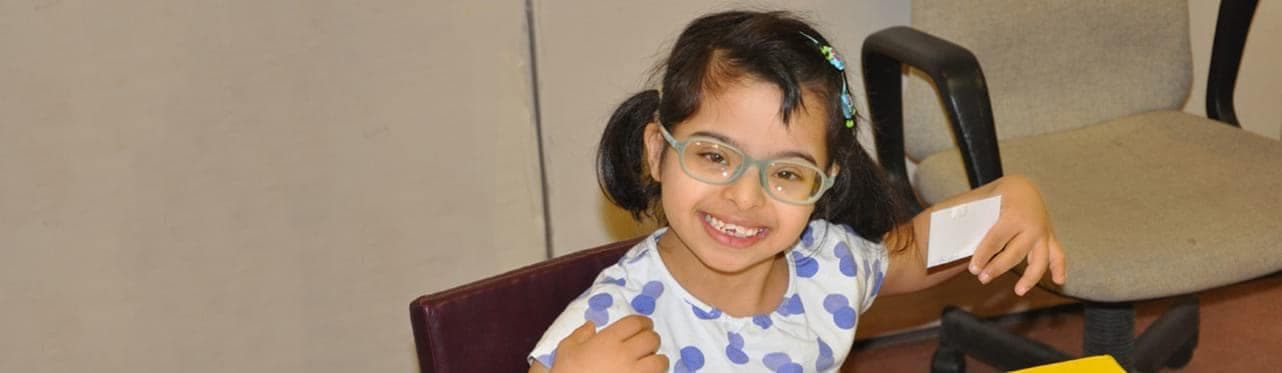 For Families
Learn about the role of occupational therapy in supporting children with Down syndrome — from infancy to school age — and how it builds their independence in daily, motor, and academic skills.
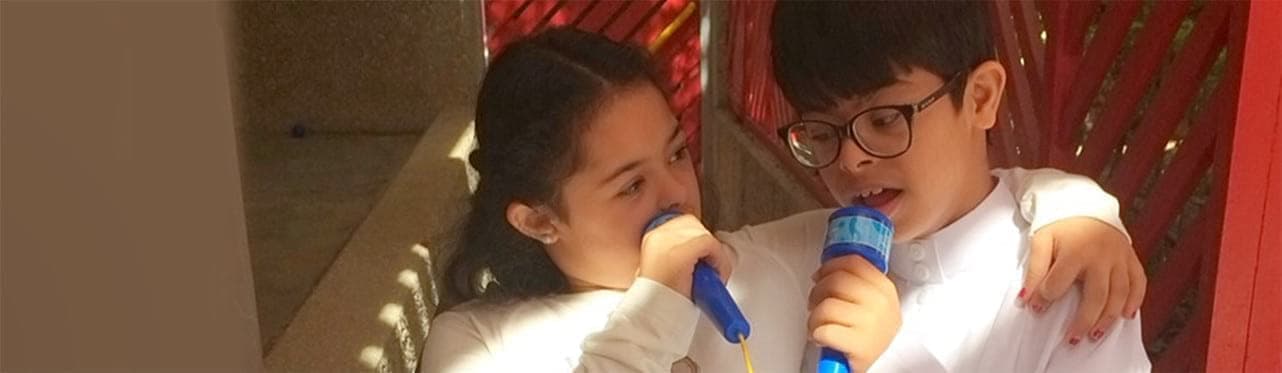 For Families
A comprehensive guide to speech and language development in infants and children with Down syndrome — from the impact of hearing loss to total communication and practical tips for parents.
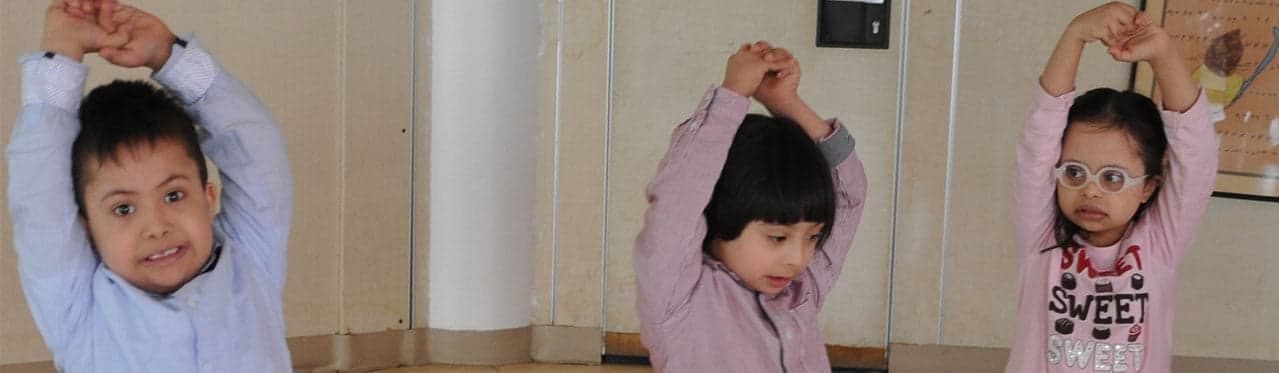 For Families
Learn about the challenges children with Down syndrome face in developing gross motor skills, the role of physical therapy, how temperament affects learning, and practical tips for parents.
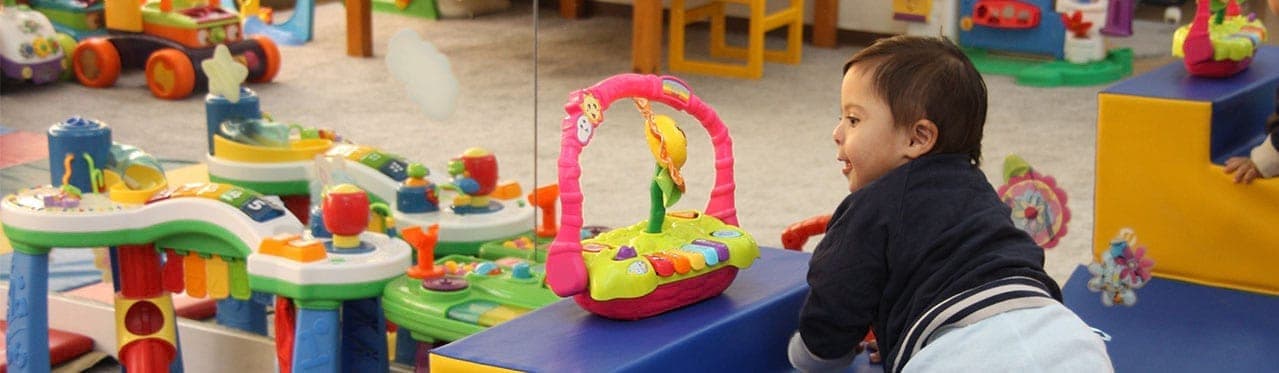 For Families
A practical three-step guide to toilet training children with Down syndrome — assessing child and parent readiness, a tracking chart, and a daily training routine.
 For Families
Learn about the reasons people with Down syndrome are prone to obesity, and the strategies for preventing it — from healthy nutrition to daily physical activity.
 For Families
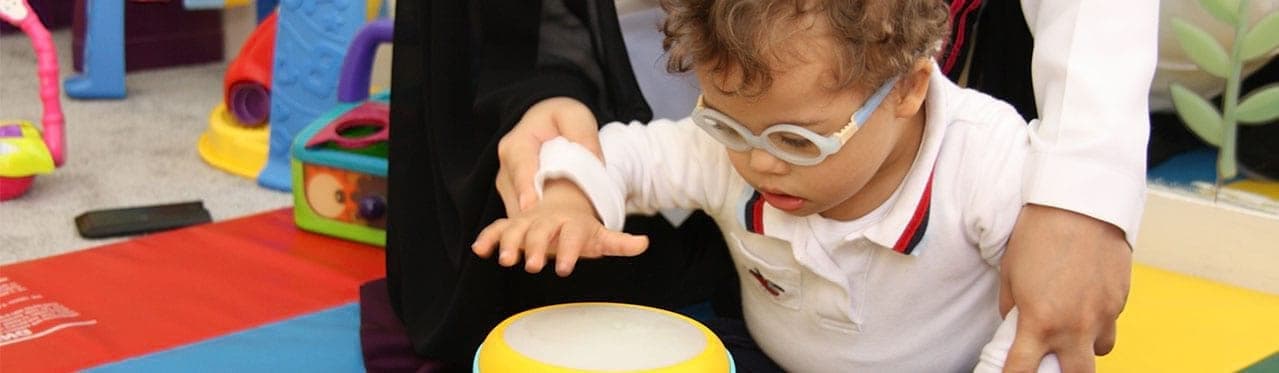
Learn about the benefits of breastfeeding for your baby with Down syndrome, the challenges you may face, and how to make the best decision for you and your child.
 For Families
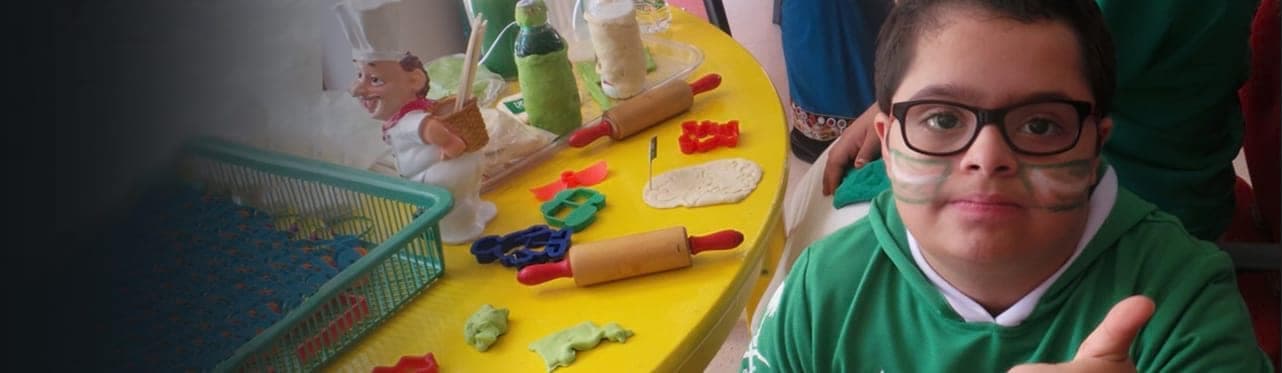
A comprehensive comparison of developmental milestones in children with Down syndrome versus typical development — from motor skills to language and social abilities.
 For Families
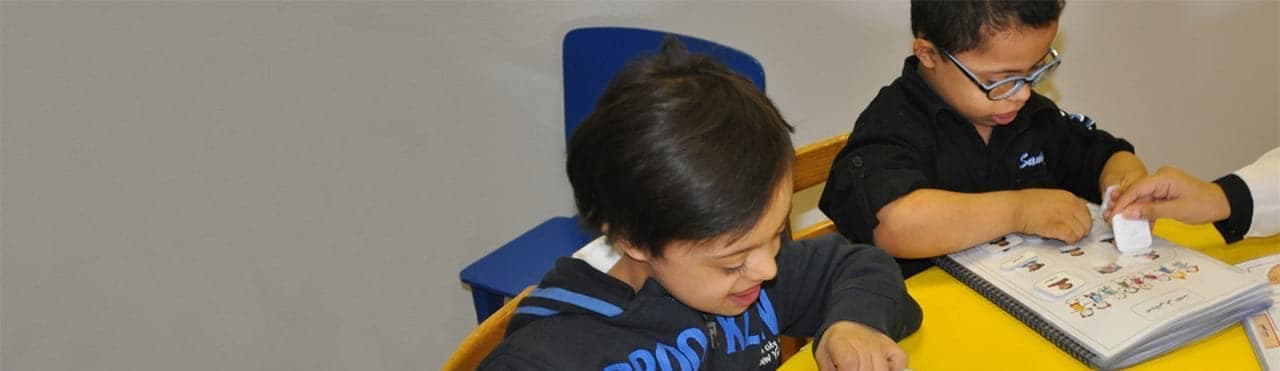
Learn about the types of early intervention for children with Down syndrome — physical therapy, speech and language therapy, and occupational therapy — and how each contributes to the child's growth and development.
 For Families
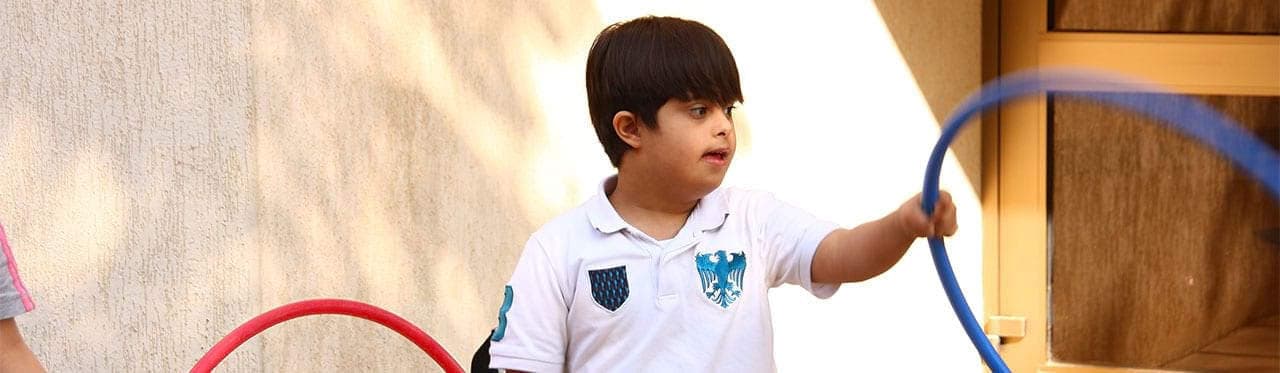
Learn about the health conditions that may accompany Down syndrome — from heart defects to vision and hearing issues — and how to face them with confidence and early planning.
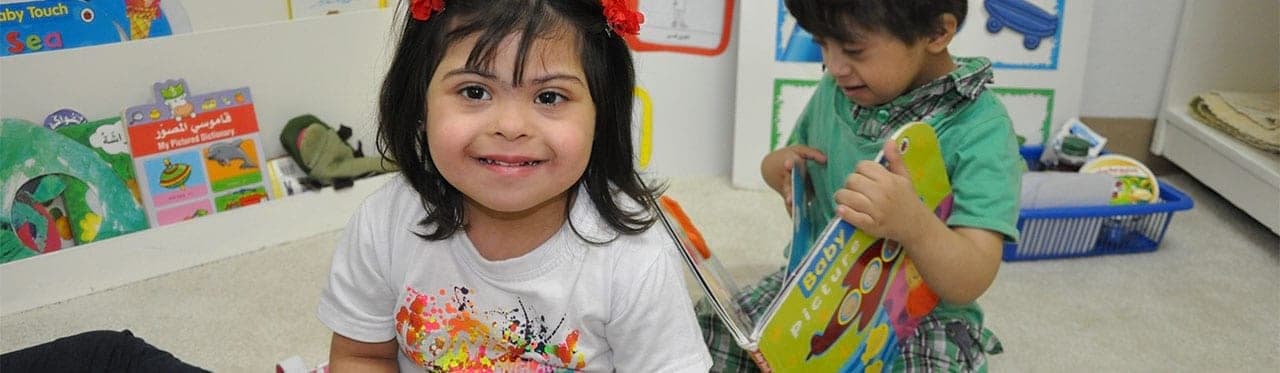 For Everyone
Learn about the two types of prenatal Down syndrome tests — screening and diagnostic — and the physical characteristics doctors look for when diagnosing the condition after birth.
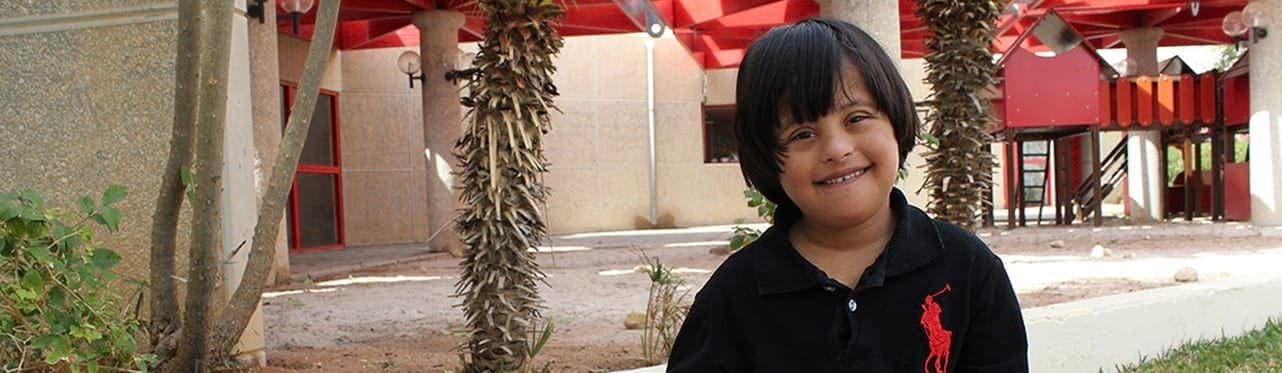 For Families
A message of support for every family who has received a Down syndrome diagnosis — reminding you that you are not alone, and that your journey with your child is full of possibility.
Our team is available to answer your questions and provide the support you need.