
جاري التحميل… / Loading…

We offer specialized services and empowerment programs to support individuals with Down syndrome and their families
Our Service Scope
At SAUT Down Syndrome Society, we operate through an integrated approach combining education, rehabilitation, capacity building, and community awareness — with the goal of empowering individuals with Down syndrome and their families, and enhancing their participation, independence, and quality of life across all life stages.
Specialized educational and rehabilitation services for individuals with Down syndrome from birth to age 21, tailored to the individual differences of each stage.
Transferring the association's expertise to organizations and centers to raise service quality and staff efficiency.
Spreading awareness, promoting a culture of inclusion, and empowering families with knowledge and skills.
The SAUT Method
A comprehensive pathway accompanying individuals from early childhood through professional independence
A continuous learning journey from birth to vocational empowerment and independence.
Our Programs
Specialized programs that evolve with each life stage to develop academic and life skills
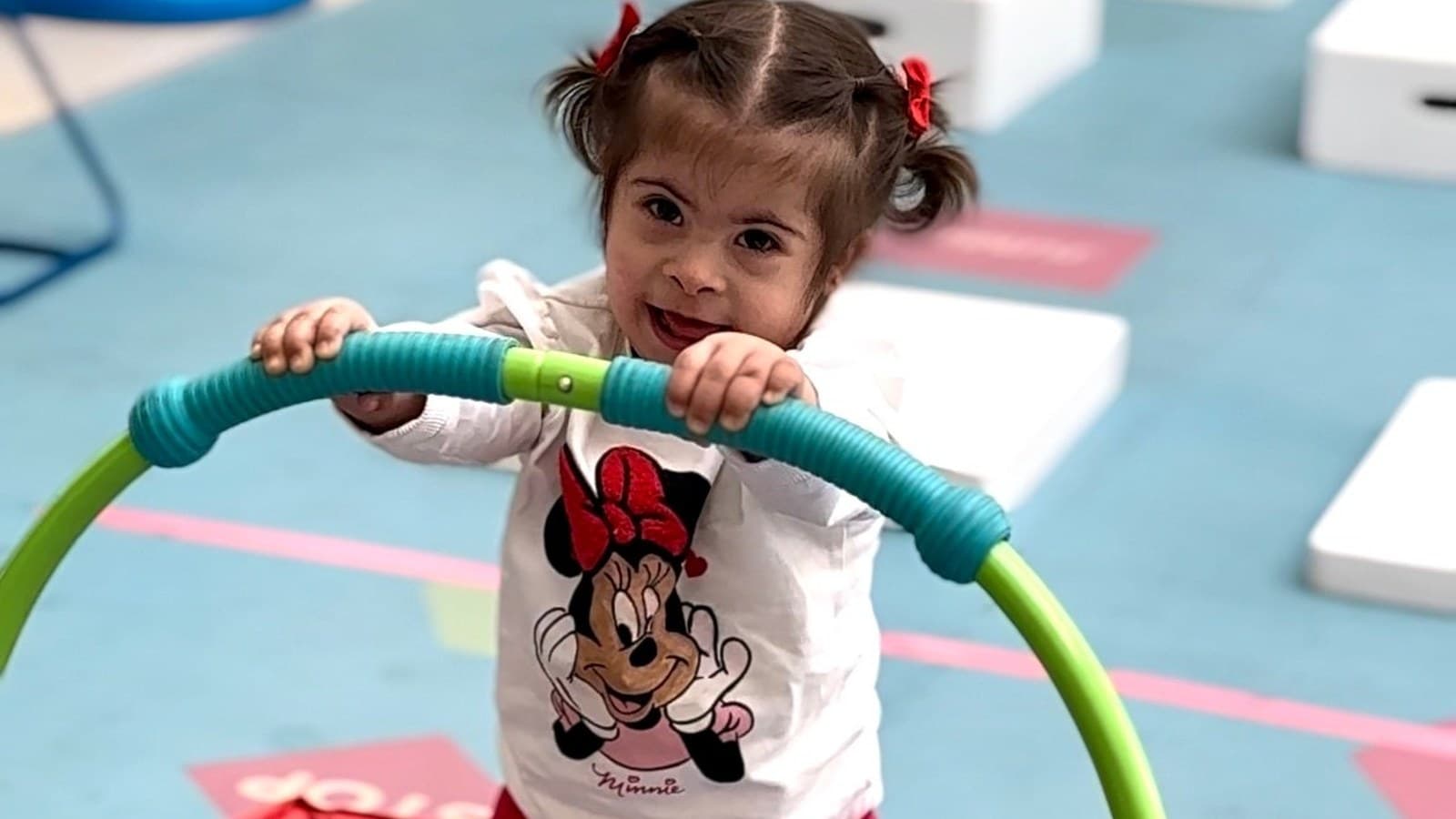
For children from birth to two years of age, addressing challenges associated with Down syndrome that may hinder them from realizing their potential or developing their abilities.
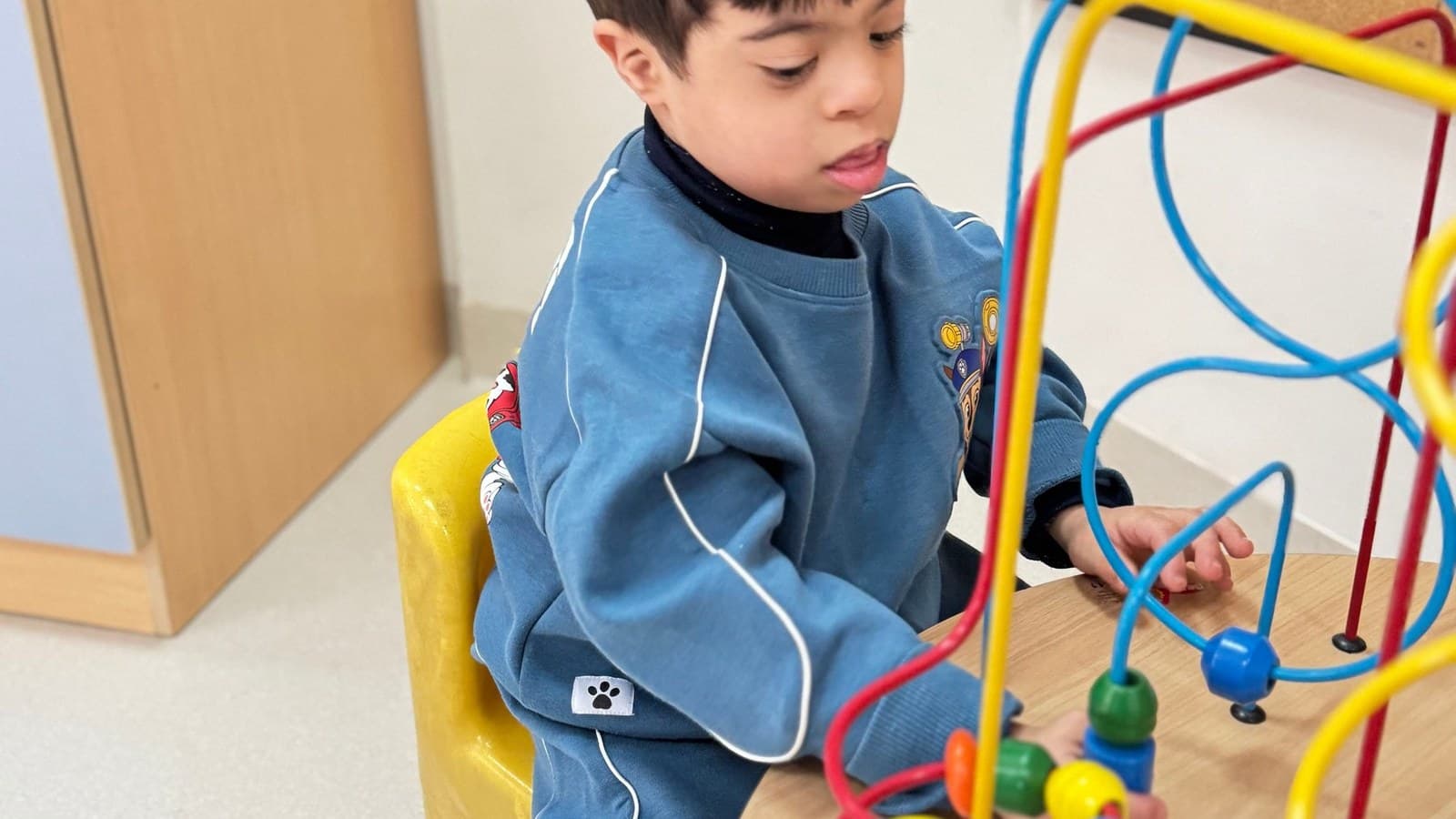
The developmental curriculum is implemented for children from two to six years of age to meet each child’s developmental needs.
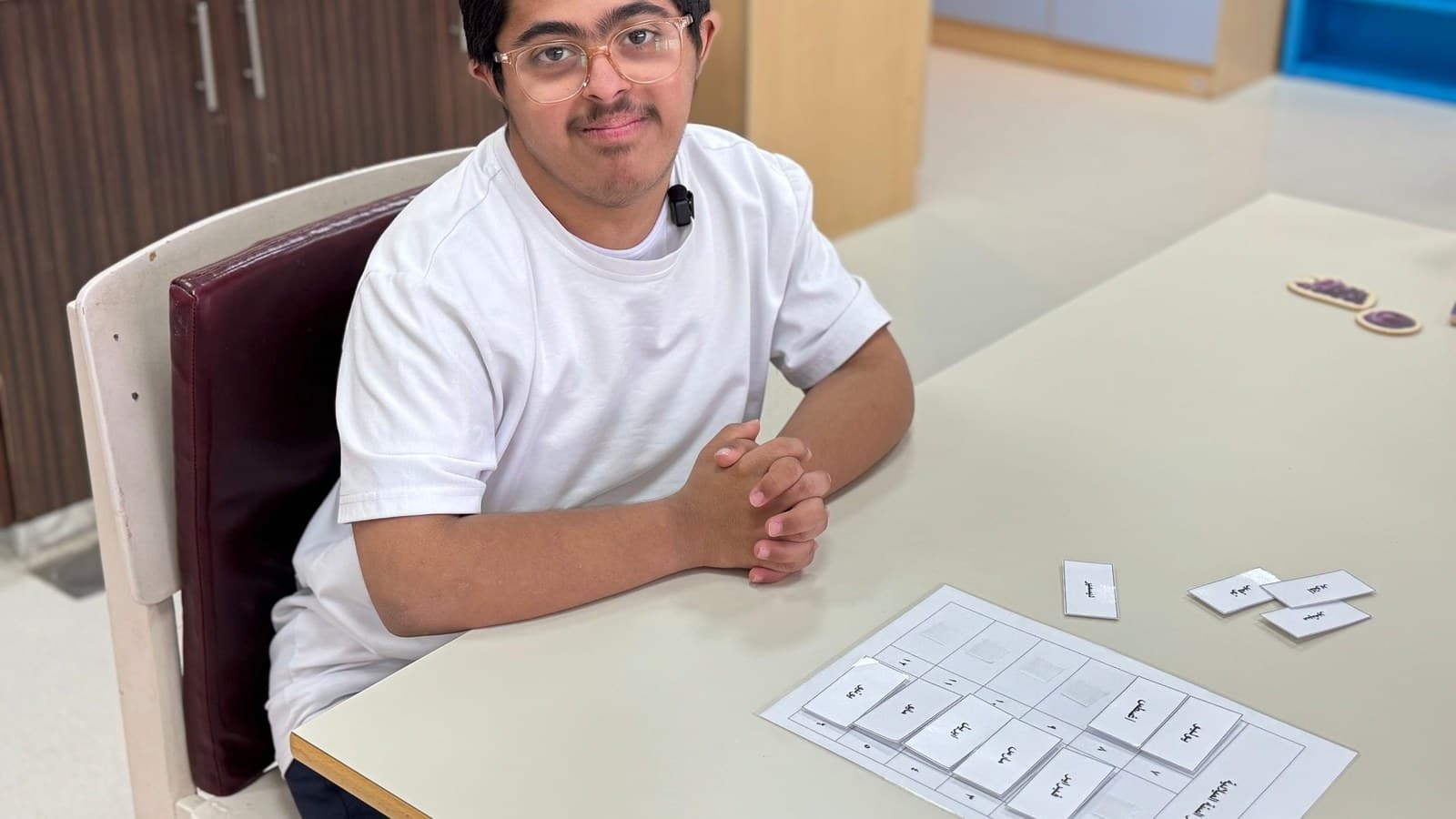
A reading and writing program for children aged six and above, tailored to the highest level of their abilities and potential, using reading and writing as tools that support them in daily life.
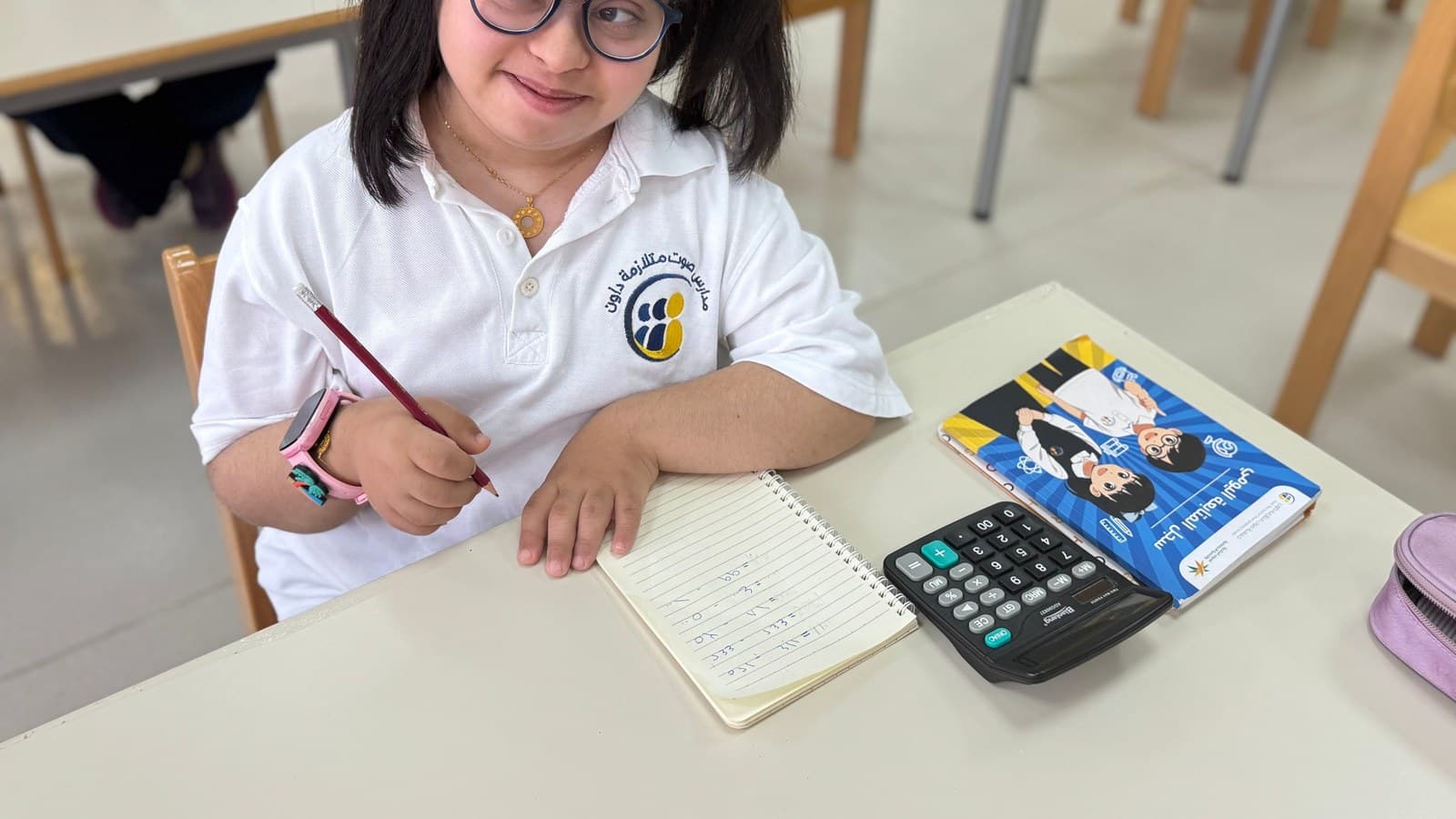
A mathematics learning program for children aged five and above that builds sound thinking and applies mathematics to everyday activities inside and outside school.
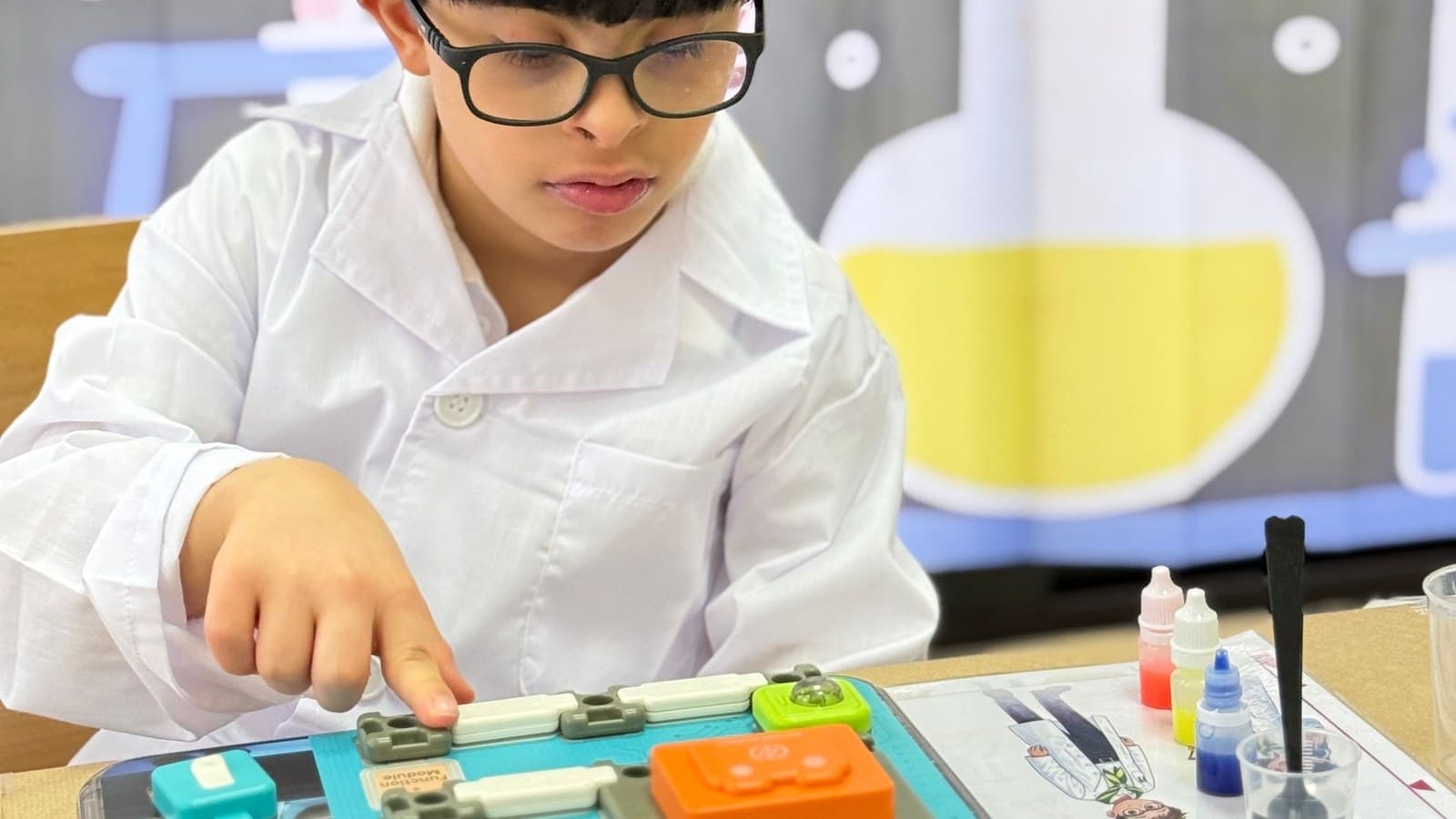
Developing science skills according to each student’s abilities and needs, as science is an important tool that serves them in all aspects of daily life.
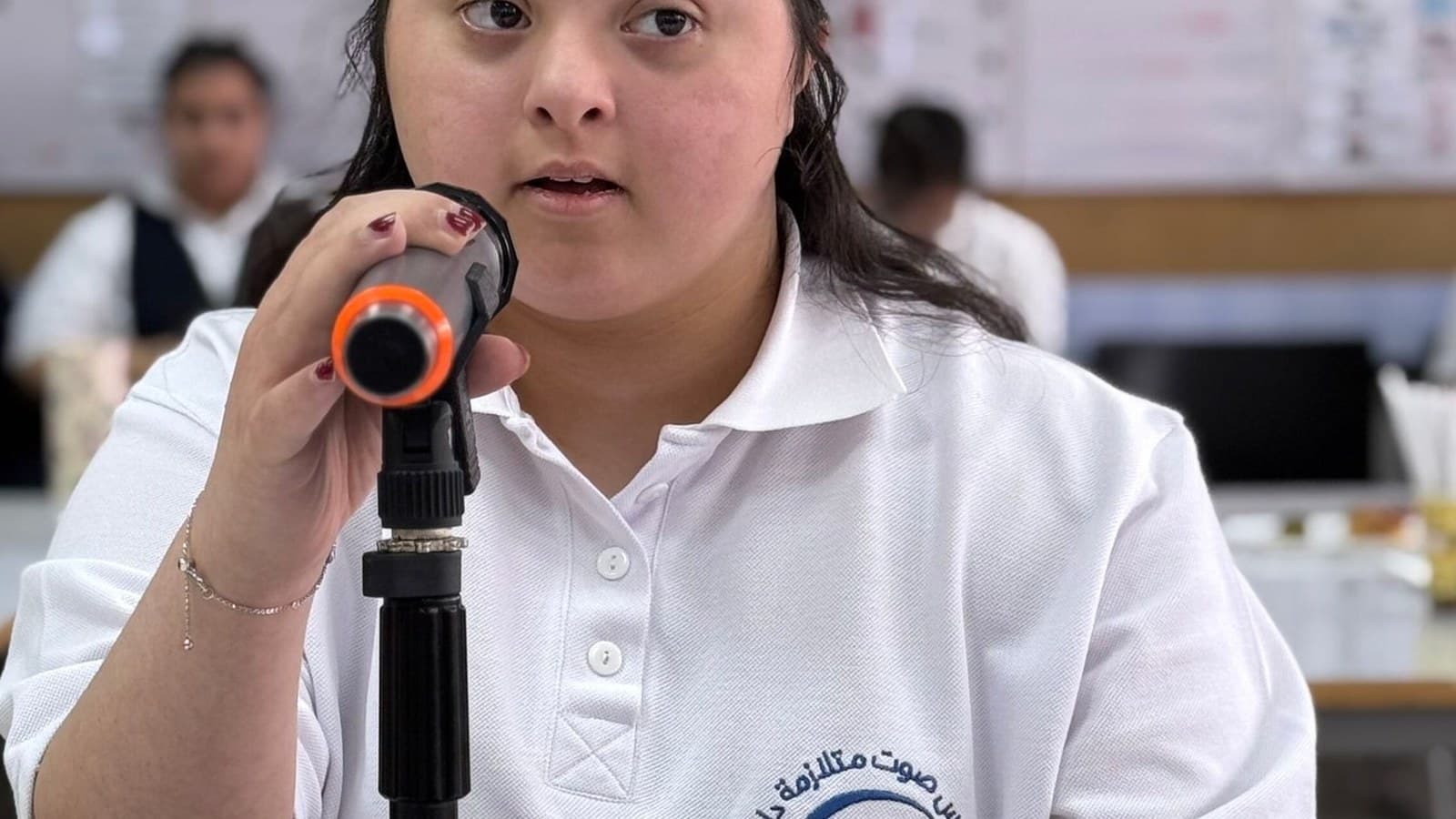
Provides foundational knowledge of Islam, including religious questions, the pillars of Islam, the five daily prayers and their times and number of rak’ahs, religious occasions and their related acts of worship, fasting, Hajj, and Zakat.
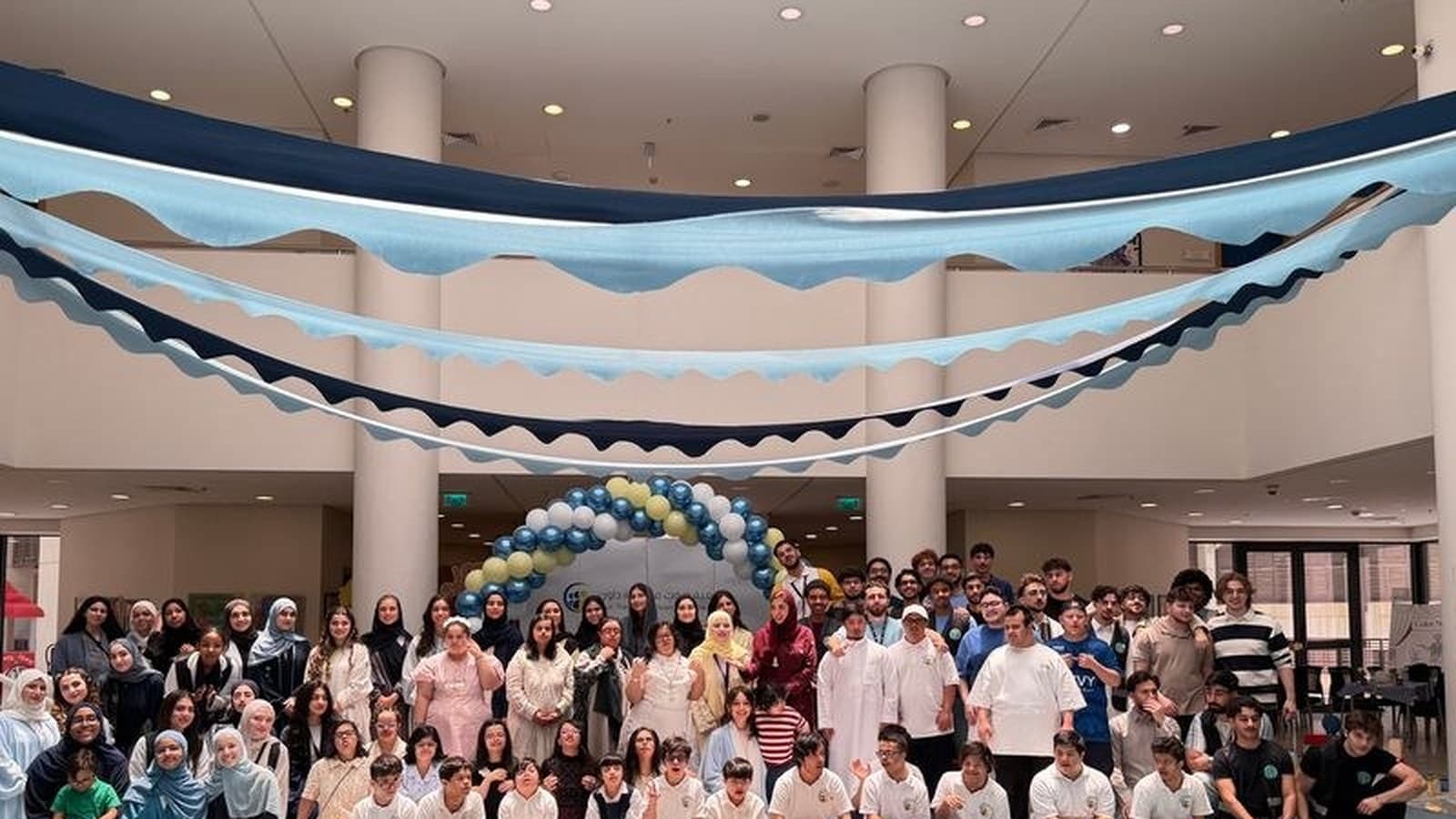
Empowering every person with Down syndrome to learn history, geography, and civic education to the fullest extent of their abilities and potential.
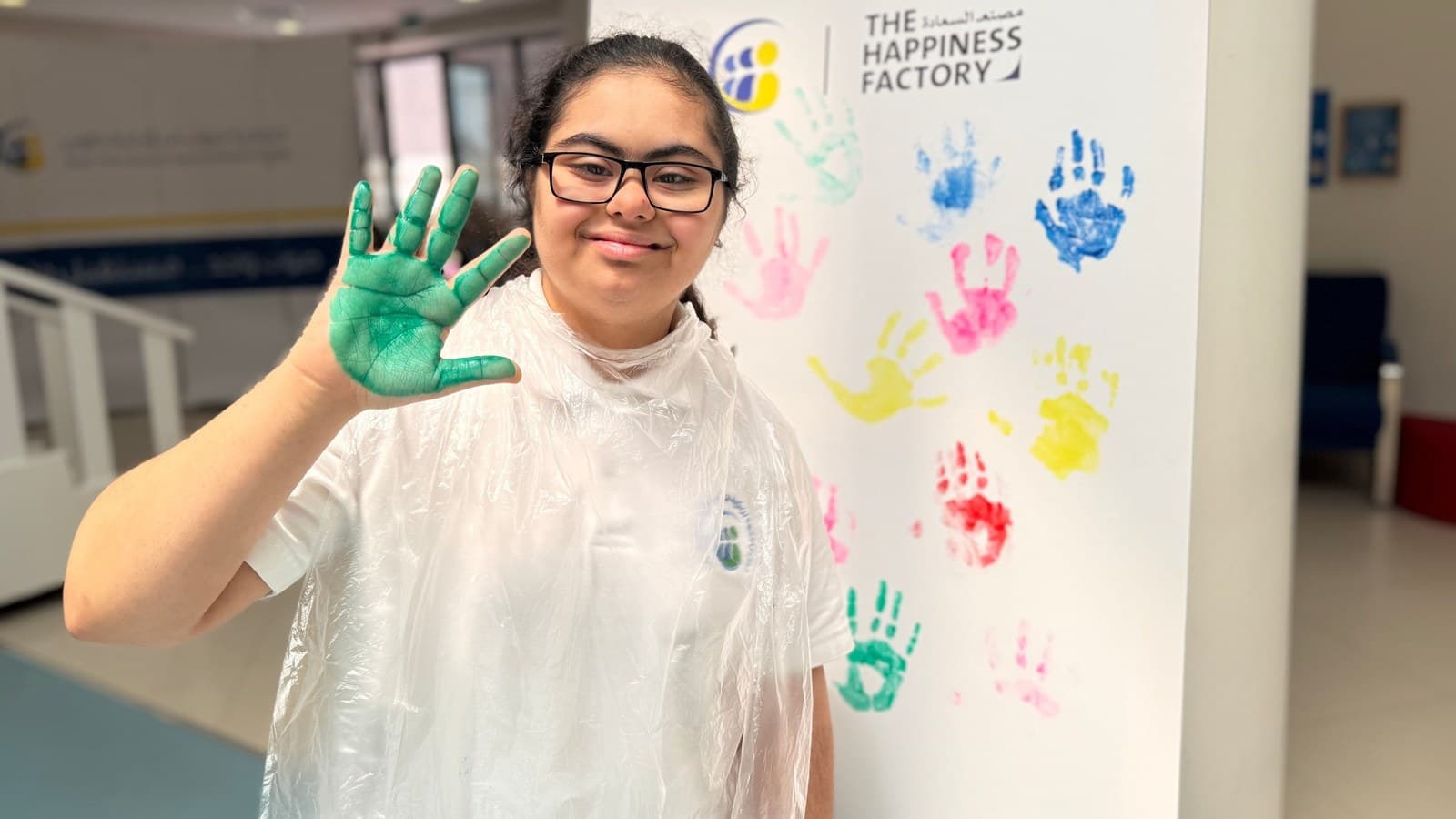
One of the most important core areas requiring structured and specialized training to help individuals function effectively, become independent, and rely on themselves at a level comparable to others of the same chronological age.
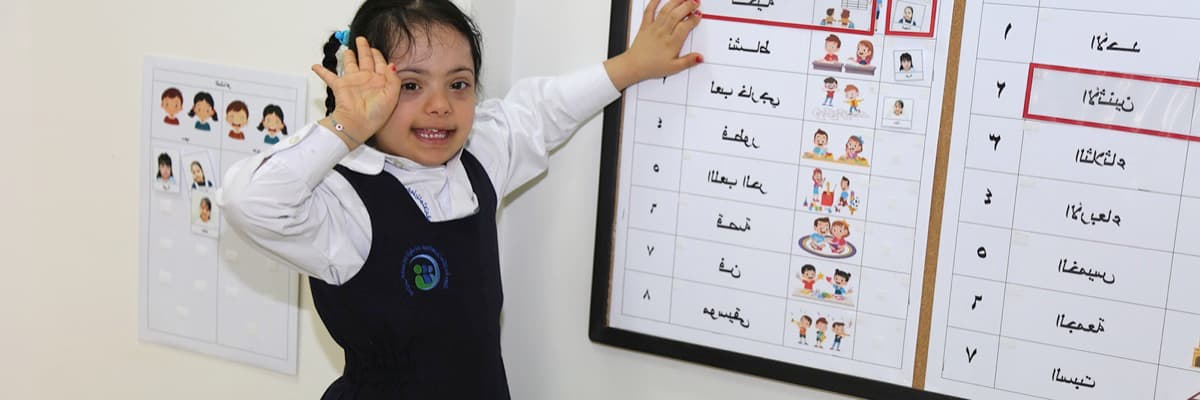
The SAUT Communication Program was designed to help children with Down syndrome overcome the many communication challenges they face.
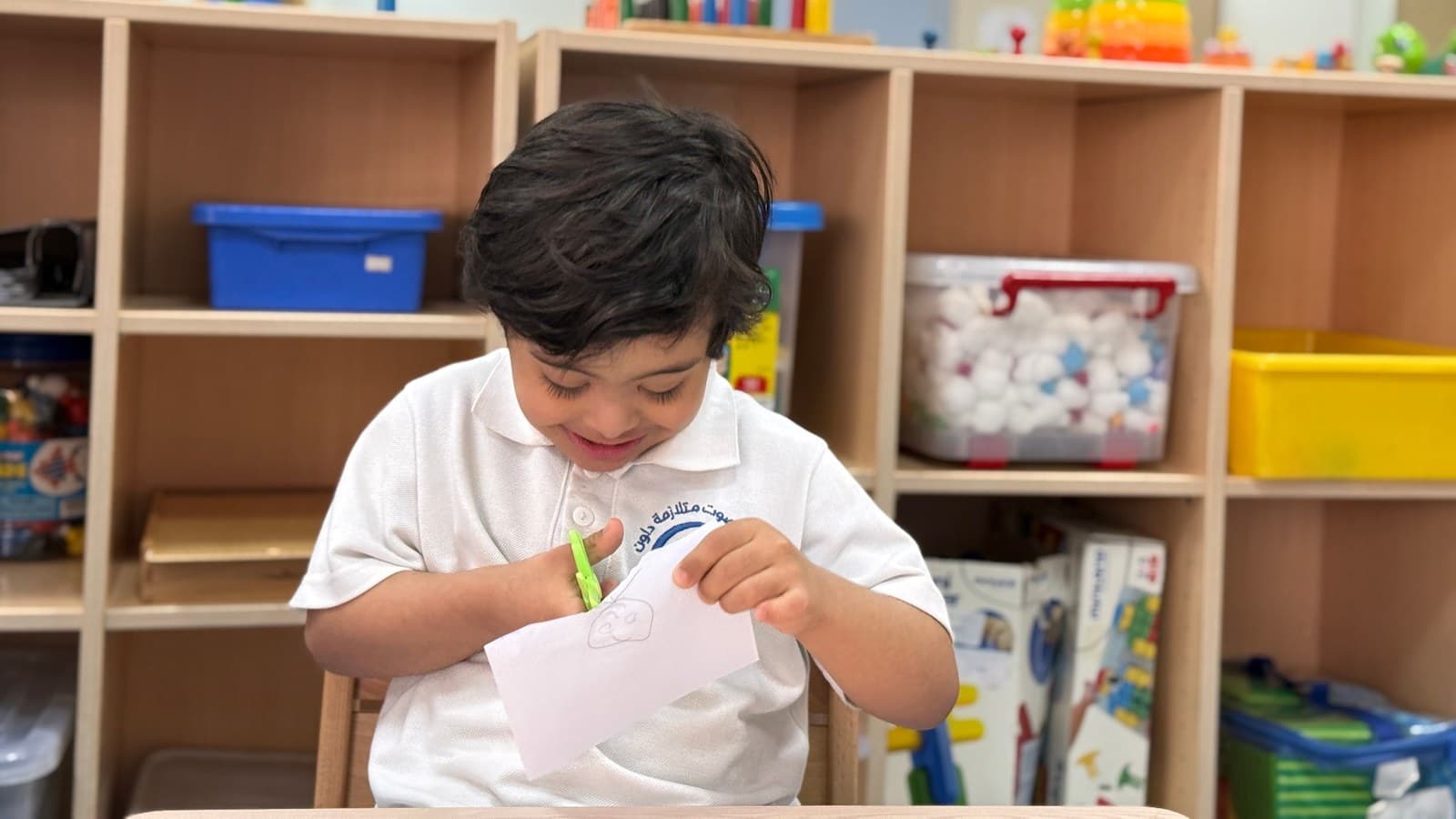
Helping students carry out their tasks confidently and independently in all environments, and express their needs, choices, and feelings effectively and appropriately.
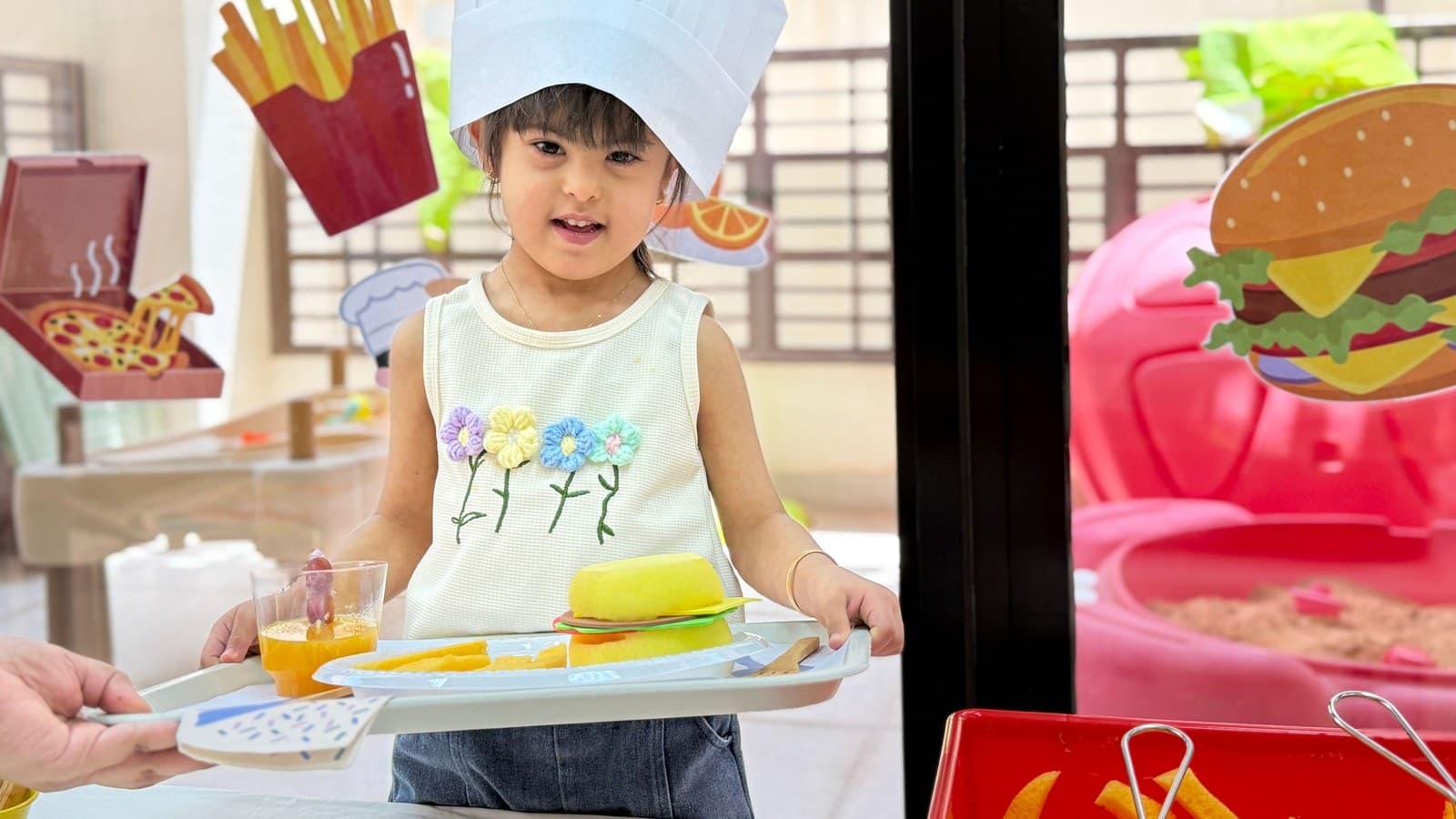
Lays the foundation for a healthy life for people with Down syndrome, protecting them from the risks of obesity, circulatory diseases, joint pain, and elevated liver enzymes associated with fatty liver disease.
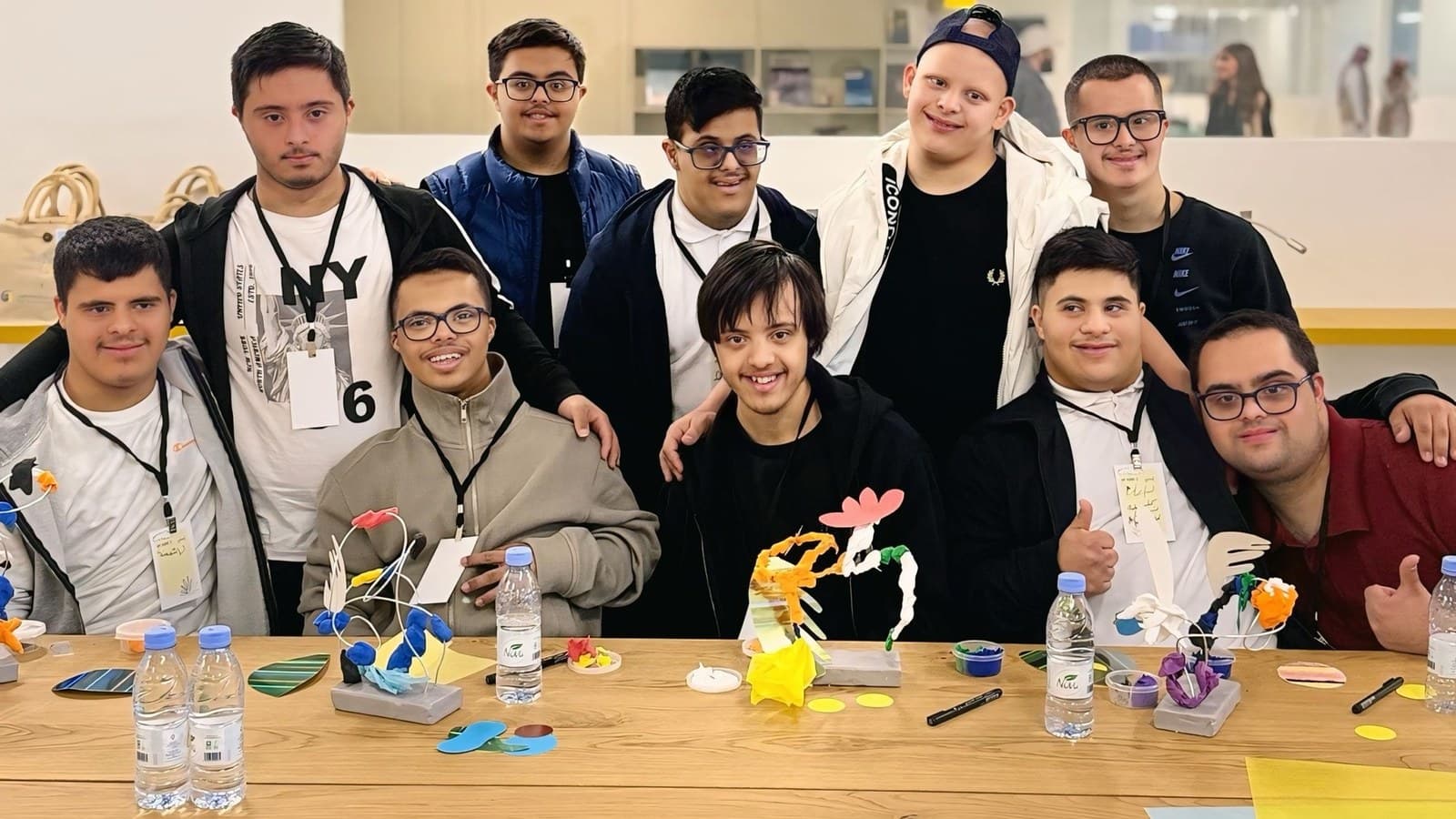
The program’s success stems from its excellence in establishing social skills in students and preparing them, starting with greetings and progressing to more complex skills in a way that suits their special educational needs.
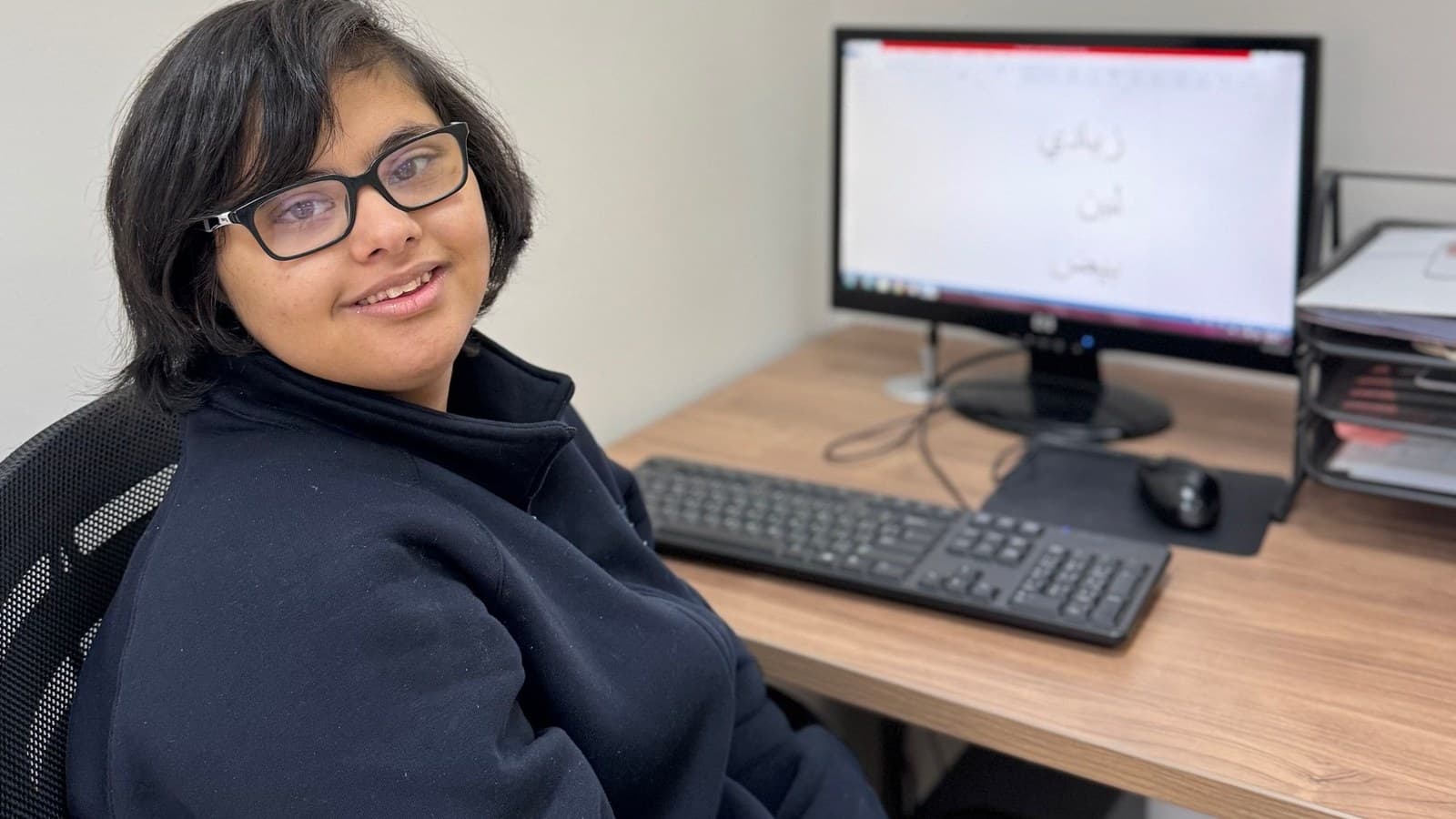
The vocational training program helps realize the principle of providing opportunities for people with Down syndrome to achieve self-fulfillment, independence, and inclusion in society.
Our Services
SAUT Down Syndrome Association provides integrated specialist services through a multidisciplinary team of highly qualified professionals who work according to best professional practices and interventions tailored to each student’s needs. These services support linguistic, motor, psychological, and behavioral development; foster independence; build functional and social abilities; and empower people with Down syndrome to reach their full potential and achieve a better quality of life throughout the different stages of their lives.
Provided by a physical therapist to support motor development, improve gross motor skills, and enhance balance, muscle strength, flexibility, and motor coordination. This increases mobility and enables safe, effective participation in daily, sporting, and social activities while promoting greater independence and quality of life.
MoreProvided by an occupational therapist to develop fine motor skills, sensory integration, cognitive and motor-planning skills, and independence in daily activities and self-care. This enables students to achieve the highest possible level of functional performance and adapt to the varied demands of life.
MoreProvided by a speech and language therapist to develop communication and receptive and expressive language skills, improve speech clarity, and strengthen comprehension, expression, and social interaction. This helps students build self-confidence, express their needs, and participate actively in their family, educational, and community environments.
MoreProvided by psychologists to support beneficiaries’ psychological, behavioral, and social well-being through psychological assessment, counseling, and the design and delivery of appropriate interventions. This promotes psychological adjustment, develops emotional and social skills, helps manage behavioral challenges, and builds a supportive environment that improves quality of life.
More